
Should you pay money before you see a home in the Netherlands?
The answer isn't "never" - it's "verify the source."
I found my apartment in October 2025. The agency asked for a deposit. I paid it before seeing the place. One month later, I moved in.
Yes, really. And no, I didn't get scammed.
Here's the actual payment:
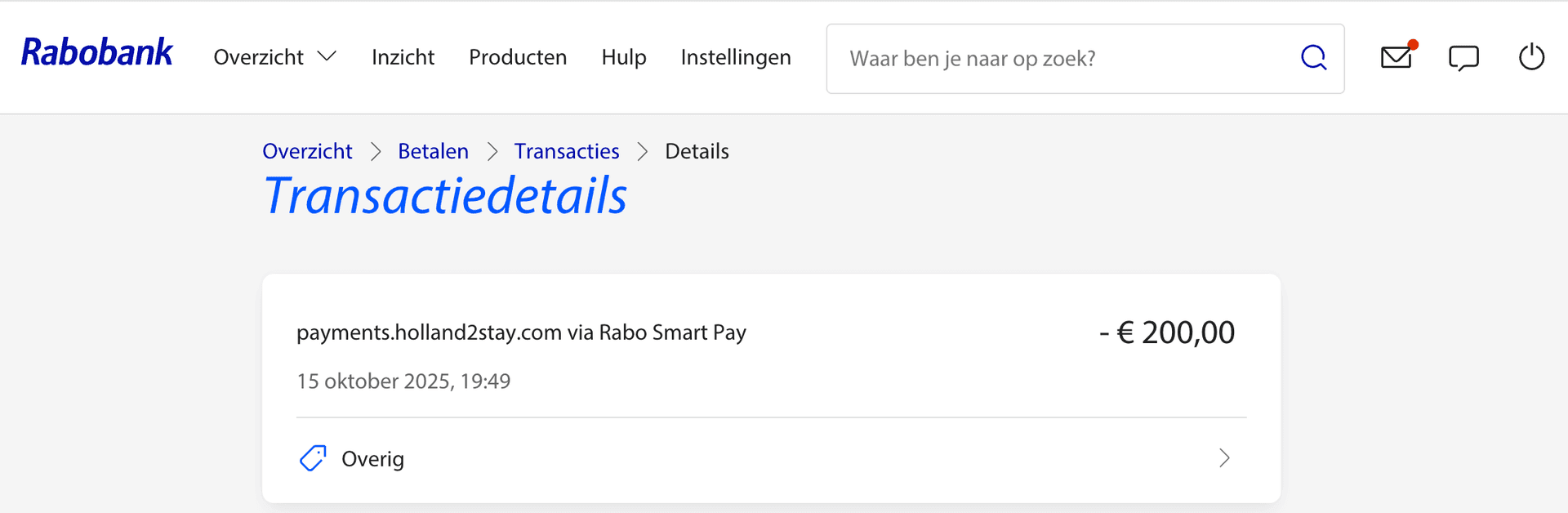
But I get why you might be unsure. Many scams happen in the Dutch rental market. Paying before you see a place sounds like a scam. A scammer would often say this.
So let's break this down properly.
TL;DR
- •Never pay when: Individual owner on Facebook/Kamernet, no company website, urgency pressure, unusual payment methods
- •You can think about paying when: The agency is registered. It has a KvK number. They have many homes listed. They have a real office. Their refund rules are clear in writing.
- •Always do before paying: Search "[company] + scam/review", verify KvK registration, check how long website exists, get refund terms in writing
The Problem: Blanket Advice Doesn't Work
The internet often tells you this. Never pay a deposit before you see the place. It says this is always a scam.
This advice is well-intentioned. It protects people from the most obvious fraud.
But it is also not complete. If you follow it without thinking, you might miss good chances. This includes how I found my own home.
Why Legitimate Agencies Ask for Deposits
Think about it from the agency's perspective.
Viewings take time. Coordinating schedules, traveling to the property, meeting potential tenants - it adds up. In a market where demand is 10x supply, agencies are drowning in requests.
Paying money before you see a place does one thing. It shows you are serious.
If seeing a place is free, anyone can pretend to be interested. They can get a meeting easily. Saying 'Yes, I am interested' costs no money. But what if you pay €100-300? This stops people who are not serious right away.
It's not about the money. It's about the signal.
Why Scammers Also Ask for Deposits
Here's the problem: scammers know this too.
A scammer wants your money. A deposit is how they get it. They get it before you see anything real. You do not see a home. You do not sign a paper. They just want your money first.
Scammers will say the same things as real companies. They will say, 'You can get your money back.' They will say, 'This is how we always do it.' They will say, 'This shows you are serious.'
So how do you tell them apart? Let me show you.
Real Example: Scam vs Legitimate
Here is a real example of a scam. Which? wrote about it. Which? is a big group in the UK. They help people with their rights. It is like the Consumentenbond in the Netherlands.
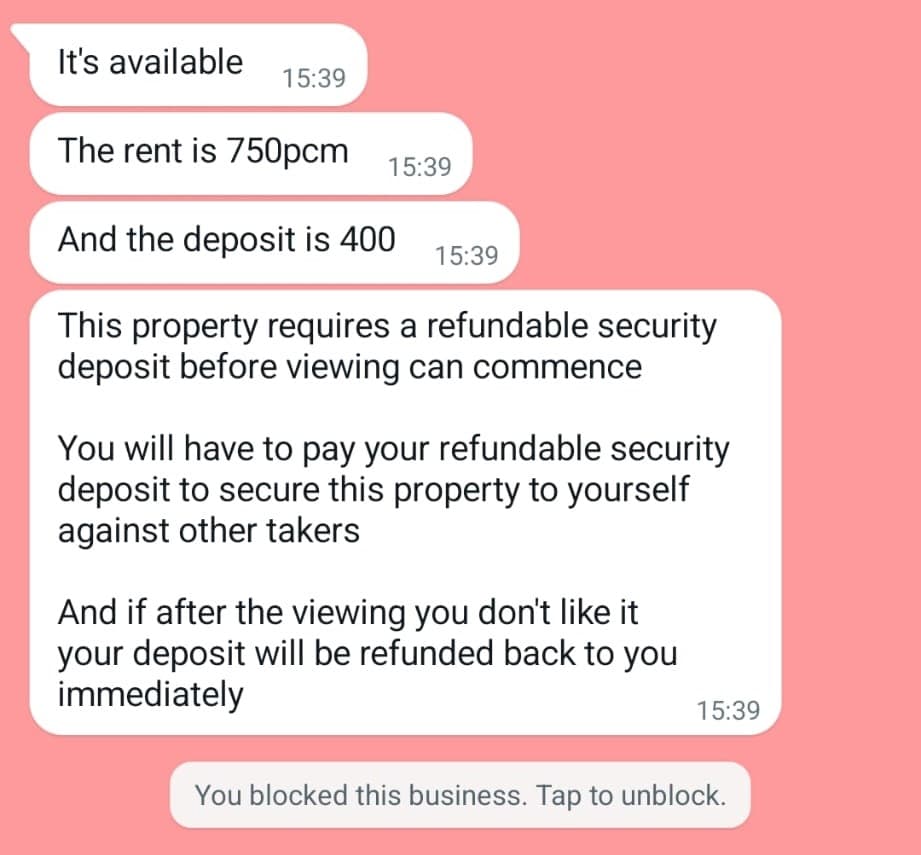
The red flags here:
- £750/month rent (suspiciously cheap)
- Demands £400 deposit before any viewing
- Pressure tactic: "secure against other takers"
- Vague promise: "refunded immediately" with no contract
- No company name, website, or verifiable identity
- Just a random WhatsApp account
Now compare to my legitimate Holland2Stay payment:
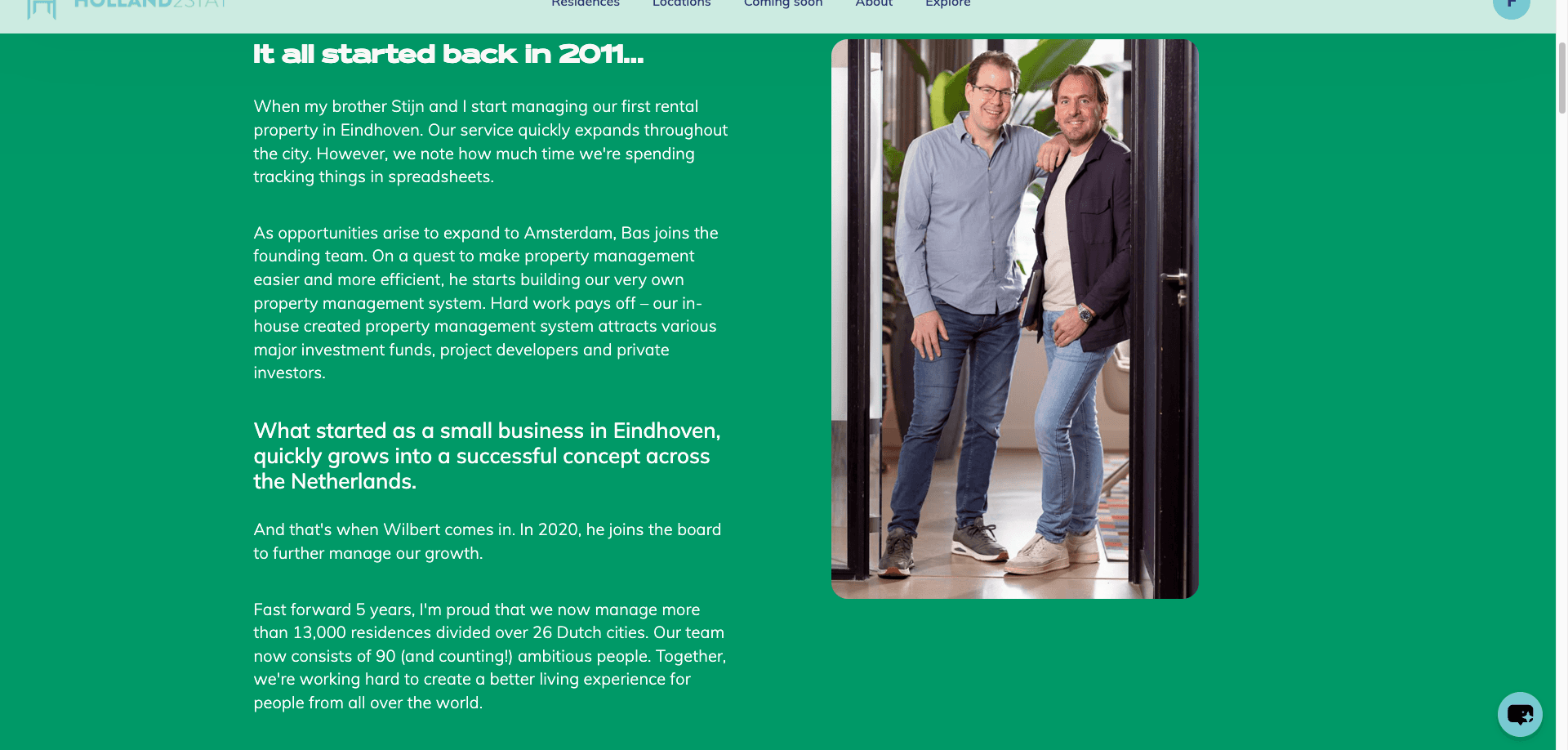
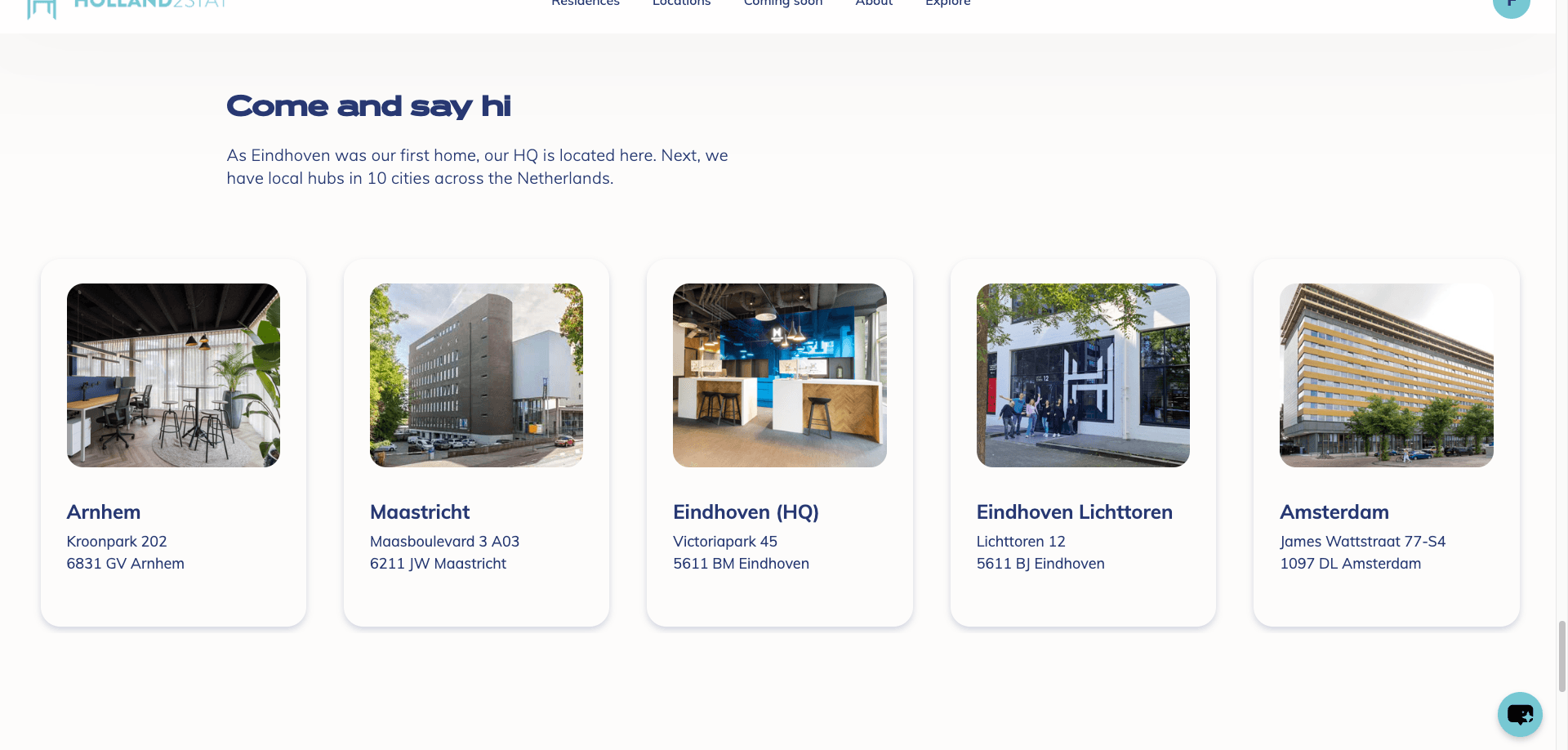
What is the difference? Holland2Stay has a good website. It is on the official list of companies (KvK). They have hundreds of homes for rent. They also have many good reviews from over the years. The WhatsApp sender is just a phone number.
What a Legitimate Agency Looks Like
You should look for these things. Check them on a real company's website.
The Key Question: WHO Is the Source?
It's not about what they say. It's about who they are.
A scammer might say you can get your money back. This promise is not helpful. You need to know who they are first.
Here's the framework:
Walk Away If:
| Red Flag | Why It Matters |
|---|---|
| Individual owner on Kamernet, Pararius, Facebook | No accountability. No track record. Easy to disappear. |
| No company website | Legitimate agencies have an online presence. |
| No verifiable track record | Can't find reviews, history, or other listings? Suspect. |
| Urgency pressure | "Pay now or lose it" is a classic manipulation tactic. |
| Unusual payment methods | Crypto, gift cards, wire to personal accounts = run. |
Consider It If:
| Green Flag | Why It Matters |
|---|---|
| Rental agency with their own website | A real business with something to lose. |
| Dozens or hundreds of their own listings | Too much work for a scammer to fake. |
| Staff page, office address, reviews | Consistency that takes years to build. |
| Registered with KvK (Chamber of Commerce) | Verifiable legal entity. |
| Clear refund policy in writing | Legitimate agencies put it on paper. |
Here is an important idea. Scammers do not make big fake companies. They do not list many homes. They do not show staff pages. They do not have many years of good reviews. This takes too much work for them. They will not earn enough money.
How To Verify Before You Pay
Before transferring any money, do this:
- Search for the company name online. Add the word 'review' or 'scam'. See what other people say about them.
- Check KvK registration - Is it a real registered business?
- Look at the homes they offer. Do they have many homes listed? Do the homes look real? Are the details always the same?
- Look at how old their website is. A website that has been online for many years is harder to fake.
- Ask for their refund rules. Make sure you get these rules in writing. Real companies will give them to you.
- Trust your gut - If something feels off, it probably is.
The Competitive Advantage
Here's something most people don't realize:
Many people looking for a home say no to listings that ask for a deposit. They think all deposits are scams. So, they just move on.
But first, check if the source is real. If it is real, fewer people will want that apartment. This means you have a better chance.
That's exactly how I found mine.
How Kijkie Helps With This
We do not take deposits. We do not rent homes ourselves. We help you find real listings quickly.
- ✓Aggregate listings from 436 sources so you see more options
- ✓Help you filter by verified agencies vs individual owners
- ✓Send instant alerts when new properties match your criteria
The Bottom Line
Asking for a deposit before you see a home is not always a scam. It is just a tool. Both real companies and scammers use this tool.
Your job is not to avoid all deposits. Your job is to check if the source is real.
It's not about what they say. It's about who they are.
FAQ
Is it safe to pay money before you see a rental home in the Netherlands?▼
It depends on who asks you for money. A real rental company has a KvK number. They have a real office. They also have many good reviews. Then it can be okay to pay. But what if it is just a person? Like someone on Facebook or WhatsApp. And you cannot check who they are? Then do not pay them. Walk away. Always check who you are paying. Do this before you pay any money.
How much money is normal to pay? This is before you see a rental home in the Netherlands.▼
Real companies often ask for €100 to €300. This is a small payment to see a home. You get this money back. This happens if you do not rent the home. This pays for their time. It also stops people who are not serious. Be careful if they ask for more money. Or if they ask for the full deposit. This is before you even see the home.
What should I do if I already paid and think it's a scam?▼
Contact your bank immediately to report the fraudulent transaction - they may be able to reverse it. File a police report at politie.nl. Report the scam to the Fraudehelpdesk (fraudehelpdesk.nl). If you paid via credit card or PayPal, you have additional buyer protection options.
How can I verify if a Dutch rental agency is legitimate?▼
Check their KvK (Chamber of Commerce) registration at kvk.nl. Look for a professional website with multiple listings, staff pages, and office addresses. Search for reviews on Google and Trustpilot. Check how long their website has existed using archive.org. Legitimate agencies have years of online presence.